at
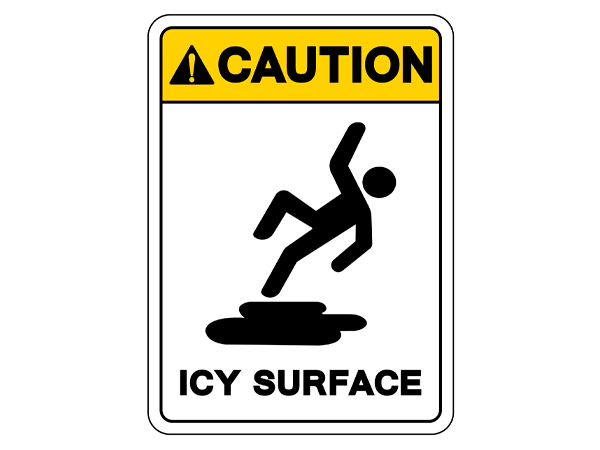
Winter brings icy sidewalks, snow-covered steps, and hazardous walking conditions that significantly increase the risk of slip and fall accidents. While these incidents may seem minor at first, they can result in serious injuries with long-term consequences. It is often impossible to predict or prevent every slip and fall accident due to the unpredictability of winter weather. Understanding why these incidents happen, the most common injuries they cause, and what steps to take afterward can help you protect your health and your rights.
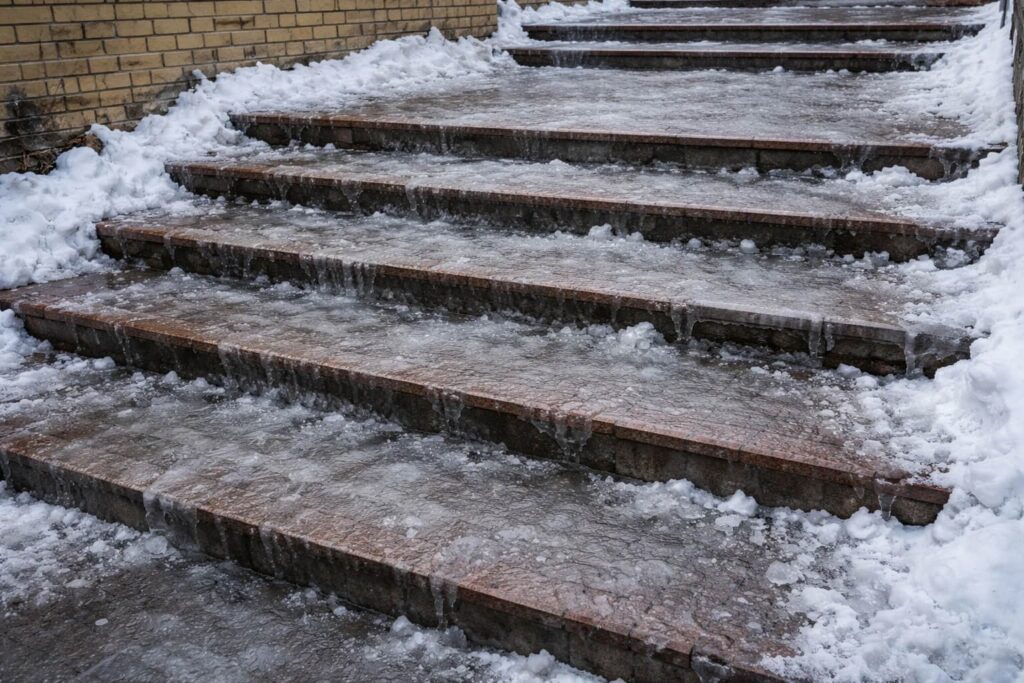
Slip and fall incidents are most likely to occur in the winter months due to environmental factors such as ice, black ice, packed snow, and slush. Before heading out, always check weather warnings and safety recommendations to stay informed about hazardous conditions. These factors reduce traction and make walking surfaces dangerous and unpredictable.
It is unfortunately not uncommon for sidewalks, paths, and roadways to be unkept. When walking, choose a safe path and be aware of hidden hazards that may be underneath snow or slush, such as ice patches or uneven ground. Unsalted walking surfaces, inadequate snow removal, and lack of proper lighting may further increase the risk.
It is important to ensure proper footwear during the winter months to not only keep you warm, but to reduce the risk of slip and fall injuries. Footwear without proper grip may also contribute to accidents.
Winter slip and fall incidents can cause a variety of injuries, affecting any part of the body. Some of the most common reported injuries typically include orthopedic fractures and sprains/strains involving the shoulders, wrists, ankles, knees, and hips. Torn ligaments are also a common type of soft tissue injury, typically resulting in pain, swelling, and limited mobility, and often requiring physical therapy for recovery. Other commonly reported injuries include concussions, head injuries, back and spinal injuries, as well as bruising and soft tissue injuries.
The severity of the injury will vary depending on the severity of the fall, as well as other factors including age and pre-existing health conditions.
Older adults are particularly vulnerable to severe injuries, especially hip fractures and head trauma. Recovery times are often longer, and complications can be more serious.
It is important not to simply ignore an injury caused by a slip and fall accident. Seek medical attention if you experience:
Even if the injury seems minor, an injured person should seek medical attention to determine the severity of the injury and to determine whether there is deeper underlying damage.
The treatment required after a slip and fall accident depends on the severity of the injuries involved. Minor bruises and sprains can often be managed at home or with short-term rehabilitation; however, more serious injuries, such as broken bones or head trauma, require immediate medical attention and may even require surgery or long-term rehabilitation. In some cases, slip and fall injuries can lead to chronic pain or ongoing health issues if not properly addressed. It is essential to seek prompt medical care after any slip and fall accident to assess the severity of your injuries and prevent further complications. Early intervention can make a significant difference in recovery and long-term health outcomes.
Property owners, occupiers, and maintenance companies have a responsibility under the Occupiers’ Liability Act, R.S.O. 1990, c. O.2, to ensure people on their property are reasonably safe. Negligent property owners who fail to uphold their duty of care by not addressing hazards like snow and ice can be held liable for injuries resulting from common winter slip and fall accidents. They have a positive duty to take reasonable steps to ensure a person entering their premises is kept safe from dangerous or hazardous conditions. This includes clearing snow and ice, and/or applying salt within a reasonable timeframe to address potential hazards.
Victims of slip and fall accidents must prove that the property owner was negligent in maintaining their premises. To succeed in a personal injury claim, it is crucial to gather evidence such as photos, maintenance records, witness statements, and videos that clearly show the hazardous conditions and help establish negligence.
The statute of limitations for pursuing personal injury claims is typically two years from the date of the incident and missing this deadline may result in losing your right to compensation. If negligence contributed to your fall, you may be entitled to compensation for pain and suffering, lost income, medical expenses, and other damages.
After a slip and fall incident, you must send written notice to the property owner or contractor within 60 days of the fall injuries. The notice has to include the date, time, and location of the accident, and it must be delivered in person or sent by registered mail.
Failing to send the required notice on time can have serious consequences. In many cases, you may lose your right to compensation entirely. There are exceptions: you must show that you had a reasonable excuse for the delay and that the property owner’s ability to defend the claim was not harmed.
These requirements exist to ensure fairness. It gives property owners a chance to investigate while evidence is still fresh. If you are unsure about notice deadlines, seek legal advice immediately. Acting quickly can make the difference between a successful claim and no claim at all.
When a slip and fall occurs on municipal property, such as sidewalks, roads, parks, or public parking lots, Ontario law has stricter deadlines. Under the Municipal Act, 2001, a victim must provide written notice within 10 days of the incident. The required notice must include the date, time, and location of the fall accident injuries.
Failure to meet the 10-day deadline can bar your claim entirely, unless you can show:
Courts strictly enforce this rule to ensure evidence is preserved and hazards are quickly addressed
If you experience a slip and fall accident, taking the right steps can protect both your health and your legal rights:
Navigating insurance claims after a slip and fall accident can be challenging. Insurance companies often attempt to minimize payouts or deny claims, making it crucial to have a lawyer on your side who understands the complexity of these cases. A lawyer can help you gather and organize key evidence, such as photos of the accident scene, witness statements, and medical records, to support your claim. Keeping detailed records of the date, time, and location of your fall, as well as all communications with insurance representatives, is essential. This documentation can play a crucial role in demonstrating the negligence of property owners and ensuring you receive fair compensation for your injuries.
While not all accidents can be prevented, these precautions can reduce your risk:
If you notice a property is unkept and may be in a dangerous or hazardous state, let the property owner or property manager know as this may help reduce the risk of someone else being injured in a slip and fall.
If you’ve been injured in a winter slip and fall accident, navigating the legal process can be overwhelming. At Burn Tucker Lachaine, we can help assess your case, gather evidence, and determine whether negligence played a role in your injuries. For more information on the limitation period to sue for slip and fall cases in Ontario, read our blog: How Long After a Slip and Fall Can You Sue in Ontario?
Winter conditions can be dangerous but staying informed and prepared can help you reduce risks and respond effectively if an accident occurs.
If you have been injured in a slip and fall incident, contact Burn Tucker Lachaîne today by texting at 613-777-0992, calling at 613-917-1128 or visiting our website.

Standard Limitation Period for Slip and Fall Claims in Ontario In Ontario, personal injury claims, including slip and fall lawsuits, are subject to […]
Determining fault for falls on rented properties can be especially tricky. There is always the question of where the landlord’s liability ends, and […]
L’arrêt Musa v. Carleton Condominium Corporation No. 255, 2023 ONCA 605, est une décision de la Cour d’appel de l’Ontario qui porte sur […]
 Reviews