at

A Sun Life long-term disability denial is not the end of your claim. If your Sun Life long term disability claim was denied, many denials can be overturned by identifying the reason Sun Life gave for refusing the claim, building a stronger presentation of the medical and treatment evidence, and choosing the right next step—whether that is an internal appeal or a lawsuit.
For Ontario residents dealing with serious health issues and lost income, a disability denial can be overwhelming and costly, and early mistakes can hurt a valid claim. This guide explains how Sun Life LTD coverage works, why claims are denied, how to read the denial letter, what deadlines apply, what evidence to gather, how the appeal process works, and what legal options you may have. We also advise when it makes sense to speak with an LTD lawyer to protect your rights and improve your chances of getting the benefits to which you are entitled.
Sun Life provides long‑term disability benefits through employer group plans and individual policies. These benefits replace a portion of your income when illness or injury prevents you from working. To qualify, you must meet the specific definition in the policy for disability, which often shifts from own occupation to any occupation after 24 months—a transition point where many claims are denied.
Your denial letter outlines Sun Life’s reasons for rejecting your claim, whether medical, occupational, or administrative. Understanding these reasons helps you identify what evidence is missing or misunderstood. This letter becomes the foundation for your next steps.
Sun Life typically gives 30–90 days to submit an internal appeal. Missing this deadline can limit your options or force you into litigation sooner than planned. Mark the date clearly and plan your response timeline right away. Separate from any internal appeal deadline, there is generally a two-year deadline from the date of denial or termination of benefits to start legal proceedings.
Updated medical records, specialist reports, and detailed information about your functional limitations are essential. Sun Life relies heavily on medical documentation, so vague or inconsistent notes can weaken your claim. Ask your providers to clearly explain how your condition prevents you from working. Sun Life will expect you to adhere to treatment plans and provide additional information from treating providers while the file is under review, as insurers expect claimants to actively mitigate their disability by following recommended care.
Your medical evidence must match the policy’s disability definition—either your inability to perform your own occupation or any occupation. Review the specific terms of your policy carefully so your documentation addresses the correct criteria and matches the right test.
Internal appeals often have a limited scope because they are reviewed through Sun Life’s own process, which means reversals are rare. A lawyer may recommend filing a lawsuit instead of an internal appeal in some cases if litigation is the more effective path. Early legal advice prevents missteps and strengthens your case. An experienced disability lawyer who may specialize in these claims can help you understand which option is stronger.
Sun Life denies LTD claims for the same few reasons regularly. Understanding these common issues helps you prepare stronger evidence and anticipate the insurer’s arguments.
Sun Life may argue that your doctor’s notes do not provide enough detail or objective findings. If the medical file is thin, brief or the records are inconsistent, the insurer may conclude your limitations are not fully supported. Sun Life will then request more information or completed forms before it evaluates the claim further. Strengthening your medical documentation is often the first step in challenging a denial.
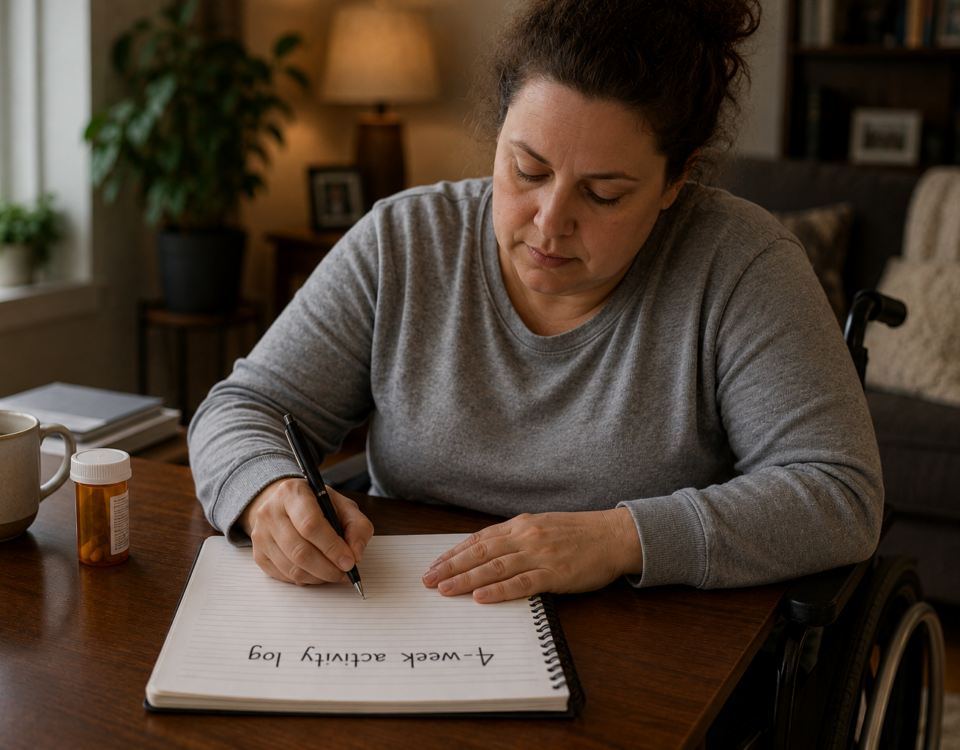
Insurers often rely on internal medical consultants who never meet you but review your file. These consultants may claim you can perform full‑time or modified duties despite your doctor’s opinion. Keeping track of your day to day function can help counter these conclusions.
During the first 24 months, Sun Life may argue that you can perform your own job, even if your symptoms prevent you from meeting the role’s essential duties. Insurers sometimes oversimplify job descriptions or misunderstand cognitive and psychological demands. Detailed occupational evidence can correct these assumptions.
After 24 months, most Sun Life group disability insurance policies apply the stricter “any occupation” test. The insurer may claim you can perform alternative work, even if it is unrealistic given your limitations. Sun Life reassesses eligibility at the two-year mark and may rely on vocational evidence, including vocational training, when deciding whether you can do other work. This transition period is one of the most common points that disability benefits are terminated.
Missed appointments, inconsistent treatment, or sparse medical notes can raise concerns for Sun Life. The insurer may interpret gaps as evidence that your condition is improving or not severe, especially if you have an absence from treatment for long periods or if your records do not show a continuous state of impairment. Regular treatment and sufficient medical evidence avoid this issue.
Sun Life may rely on surveillance footage or social media posts to question your limitations. Short clips can be taken out of context and misinterpreted as proof you can work. It is important to address this evidence directly if it appears in your denial.
Sun Life may cite an exclusion for pre‑existing conditions if you received treatment before coverage began and your disability started within a specified period after becoming covered. Non-compliance with recommended treatment or failing to work the minimum number of hours per week are other reasons to that disability income insurance may be denied.
These issues require careful review of the policy wording. A lawyer can help determine whether the exclusion has been applied correctly. The full set of exclusions and other coverage rules is set out in the policy documents. You are entitled to receive a copy of your policy. The Insurance Act requires an insurance company to provide a copy of the policy on request.
Appealing a Sun Life LTD denial involves gathering stronger medical evidence, reviewing Sun Life’s internal medical opinions, and preparing a detailed response addressing each reason for denial. The first level of appeal is typically handled within Sun Life’s Group Disability Management Unit. A second appeal may be made to a separate appeal unit. You should also request your complete claim file, which contains internal notes, consultant reports, and assessments.
Yes. In Ontario, you can sue Sun Life for breach of contract if your claim is denied. Most lawsuits settle through negotiation or mediation, resulting in reinstated benefits or a lump‑sum settlement. Litigation often provides a more neutral and fair review of your evidence. You generally have two years from the denial to start a legal claim, so waiting too long can reduce settlement leverage.
Sun Life frequently terminates benefits at the 24‑month mark when the definition of disability changes after two years of benefits, and the insurer’s decision at this stage often turns on that shift in standard. Even if your condition has not improved, the insurer may argue you can work in another occupation. Many claimants are not aware that this review is broader and that the standard may differ from the one applied earlier. You can challenge this termination through appeal or litigation, just like an initial denial.
Do not stop medical treatment, miss deadlines, send incomplete materials, or write a response that lacks supporting evidence before submitting an appeal without reviewing your claim file. Avoid emotional or argumentative language—focus on factual evidence. Do not ignore requests from the company for additional information. Be cautious with social media, as posts can be misinterpreted by insurers.
You should speak with a lawyer as soon as you receive a denial or termination letter. Early legal advice helps you avoid mistakes, gather the right evidence, and choose the most effective path forward. A lawyer can answer questions, help you navigate communications with Sun Life, and explain the grounds for an appeal or lawsuit.
If Sun Life has denied your long‑term disability claim, you still have options. Review the denial letter, gather updated medical evidence, and compare your documentation with the policy’s definition of disability. Many denials are overturned through strong evidence, legal guidance, or litigation. Speaking with an Ontario LTD lawyer early can help you protect your rights, avoid common pitfalls, and pursue the benefits you deserve.

Manulife Long Term Disability Claims in Ontario Manulife long term disability insurance policies typically replace 60 to 70 percent of your pre-disability income […]
When you have been receiving long term disability benefits for a period, your insurance company may ask you to keep track of your […]
In today’s digital world, social media is woven into everyday life. From sharing vacation photos to posting quick status updates, platforms like Facebook, […]
 Reviews